


AUTOMATED HYDROGEN SYSTEMS
Who We Are
Copexa develops programmable molecular hydrogen delivery systems for aquarium environments. Our hardware allows aquarists and commercial operators to manage the introduction of dissolved hydrogen in display aquariums, quarantine setups, and propagation systems.
A growing body of scientific research highlights the potential of molecular hydrogen to support oxidative stress responses, enhance survival, and promote growth in various aquatic organisms. Copexa provides purpose-built equipment—featuring programmable delivery and internal looping intervals—for those interested in exploring these findings in their own aquatic systems.

ADVANCED AQUATIC SUPPORT
Moving Beyond Basic Water Chemistry
Modern aquatic systems are highly effective at managing standard parameters such as temperature, salinity, pH, and nutrient levels. However, addressing biological stress—including oxidative damage, recovery from handling, and environmental fluctuations—remains challenging.
A recent aquaculture study has also highlighted the potential of molecular hydrogen to optimize water quality, specifically demonstrating ammonia reduction through enhanced microbial activity. Copexa’s programmable systems allow aquarists and commercial operators to explore this specific area of research in their own controlled aquatic environments.

The science of molecular hydrogen
The mechanism
An expanding body of research highlights the positive impact of molecular hydrogen on both biological stress responses in aquatic life and water quality parameters within aquaculture environments. This includes research on hard corals under thermal stress, fish performance under metabolic challenge, and microbial-mediated ammonia reduction.
SELECTIVE REDOX ACTIVITY
Molecular hydrogen selectively neutralizes the hydroxyl radical (•OH)—a highly reactive and damaging free radical—while having minimal effect on other reactive oxygen species that play crucial physiological roles. This selective action does not significantly alter overall water chemistry or disrupt beneficial cellular signaling.
This mechanism has been extensively studied in biomedical research. Because aquatic organisms share many of the same biological stress pathways, the effects of molecular hydrogen are now being actively measured and mapped in marine biology and aquaculture contexts.
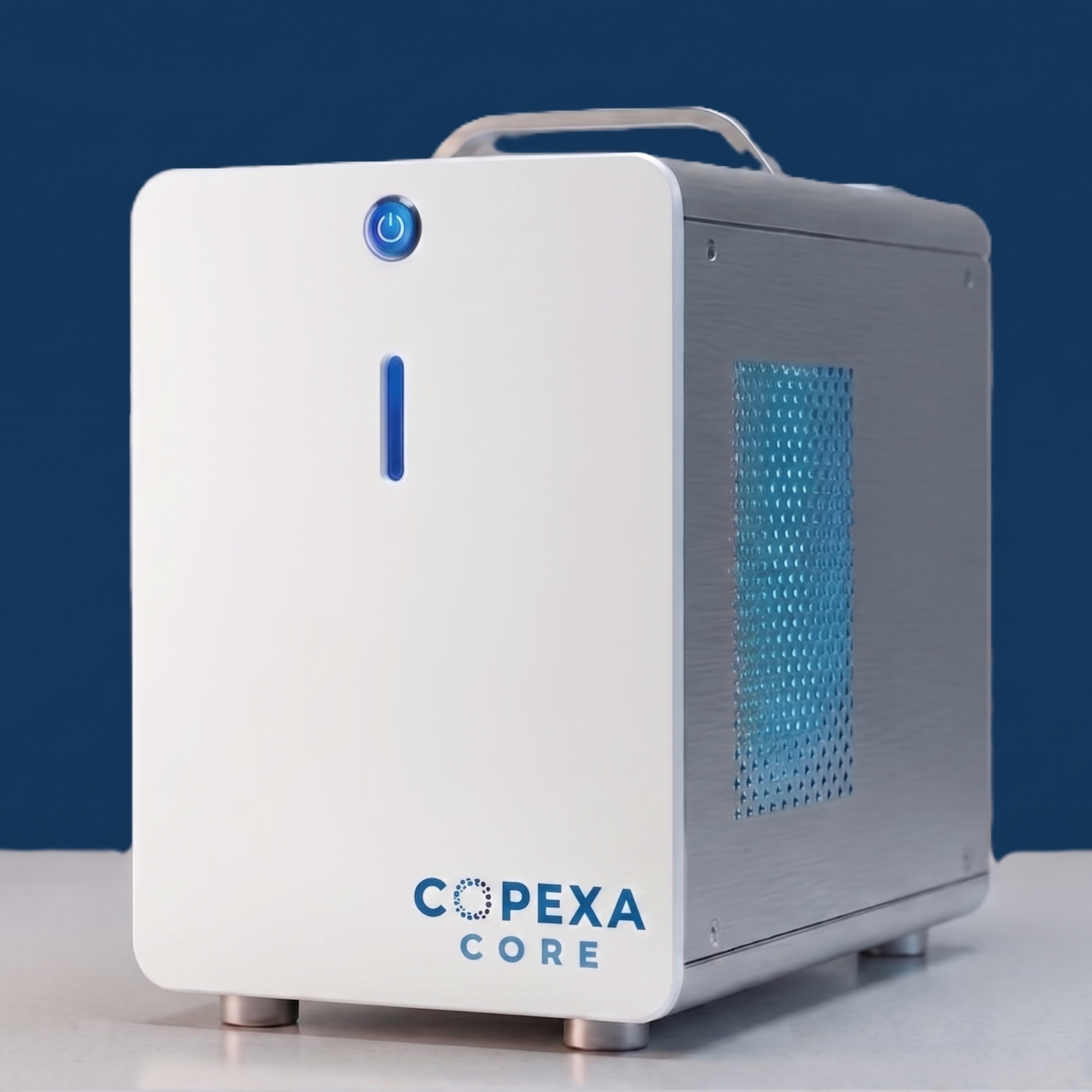
Introducing...
The COPEXA CORE
Engineered specifically for modern aquariums, the Copexa Core translates hydrogen research into a practical tool. It provides the programmable hardware operators need to actively introduce and manage dissolved molecular hydrogen in both marine and freshwater environments.
Our flagship solution offers a low-flow, controllable framework optimized for serious hobbyists, breeders, and commercial operators managing setups up to 100 gallons.
***Our technology is protected by U.S. Provisional Patent***
FLEXIBLE OPERATION FOR MODERN AQUARIUMS
COPEXA SYSTEM FEATURES
Copexa systems are engineered to integrate seamlessly across a wide range of aquarium environments—from specialized nano displays to complex, multi-tank systems.
INTEGRATED Diffusion
Purpose-built diffusion hardware introduces molecular hydrogen into the water column reliably, without disrupting your existing filtration or circulation.
Automated Scheduling
Easily integrates with third-party aquarium controllers and standard external timers, allowing you to manage primary power schedules alongside your larger system.
SCALABLE OUTPUT
Adjust flow and output settings to match the specific demands of your system, ensuring appropriate gas delivery for your exact water volume and biological load.
PULSE DOSING LOOPS
Internal firmware actively manages delivery. Select from preset Micro, Light, Balanced, & Performance pulse intervals for automated, regulated H₂ dosing—no complex external programming required.

ADVANCED AQUATIC APPLICATIONS
Informed By Emerging Research
An expanding body of research in aquaculture and marine biology highlights the promising potential of dissolved molecular hydrogen to stabilize and support aquatic systems. Below are the primary areas of discovery:
Foundational Research
Landmark studies demonstrated molecular hydrogen's ability to selectively neutralize harmful reactive oxygen species, forming the scientific basis for its use in aquatic systems.
Fish Health & Performance
Research in zebrafish and aquaculture species shows molecular hydrogen can improve survival during pathogen challenges and enhance growth along with antioxidant capacity.
Water Quality & System Support
An important recent aquaculture study indicates that pulsed hydrogen application can enhance ammonia reduction in water during acute loading events by supporting beneficial shifts in microbial communities.
Transport & Quarantine Support
Research indicates molecular hydrogen supports organisms by mitigating the oxidative stress associated with handling, shipping, and acclimation.
Coral Health & Resilience
Controlled studies on hard corals demonstrate context-dependent benefits during thermal stress, with molecular hydrogen safeguarding photosynthetic efficiency under elevated temperatures.

ADVANCED AQUATIC APPLICATIONS
Daily Support Strategies
Copexa systems support consistent daily hydrogen delivery to help maintain resilience and antioxidant capacity across a wide range of aquarium environments.
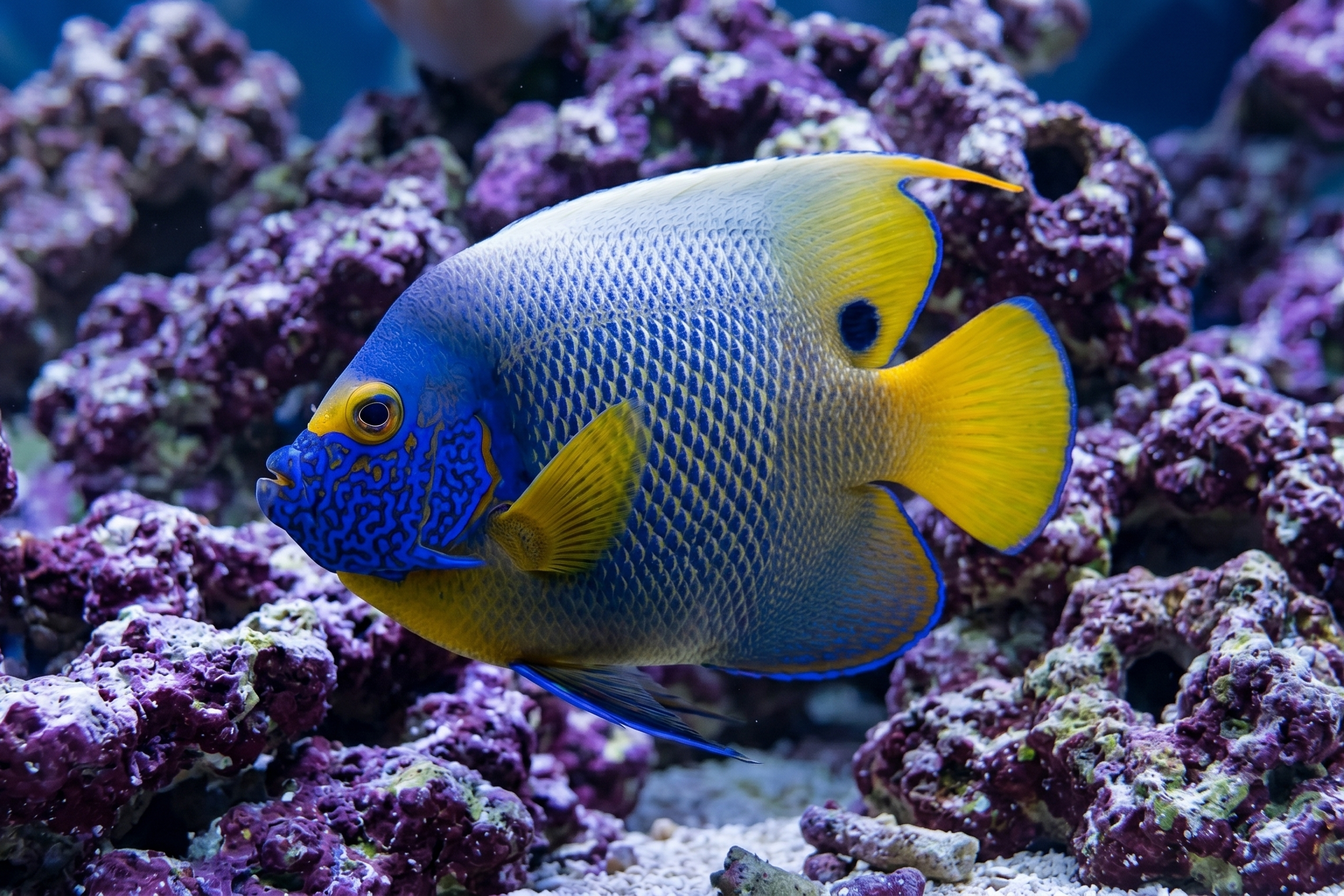
Marine Fish
Published studies show increased antioxidant enzyme activity in certain marine fish at specific hydrogen concentrations. These findings support the use of molecular hydrogen for improving general resilience and metabolic function, providing a baseline for operators to evaluate in marine systems.
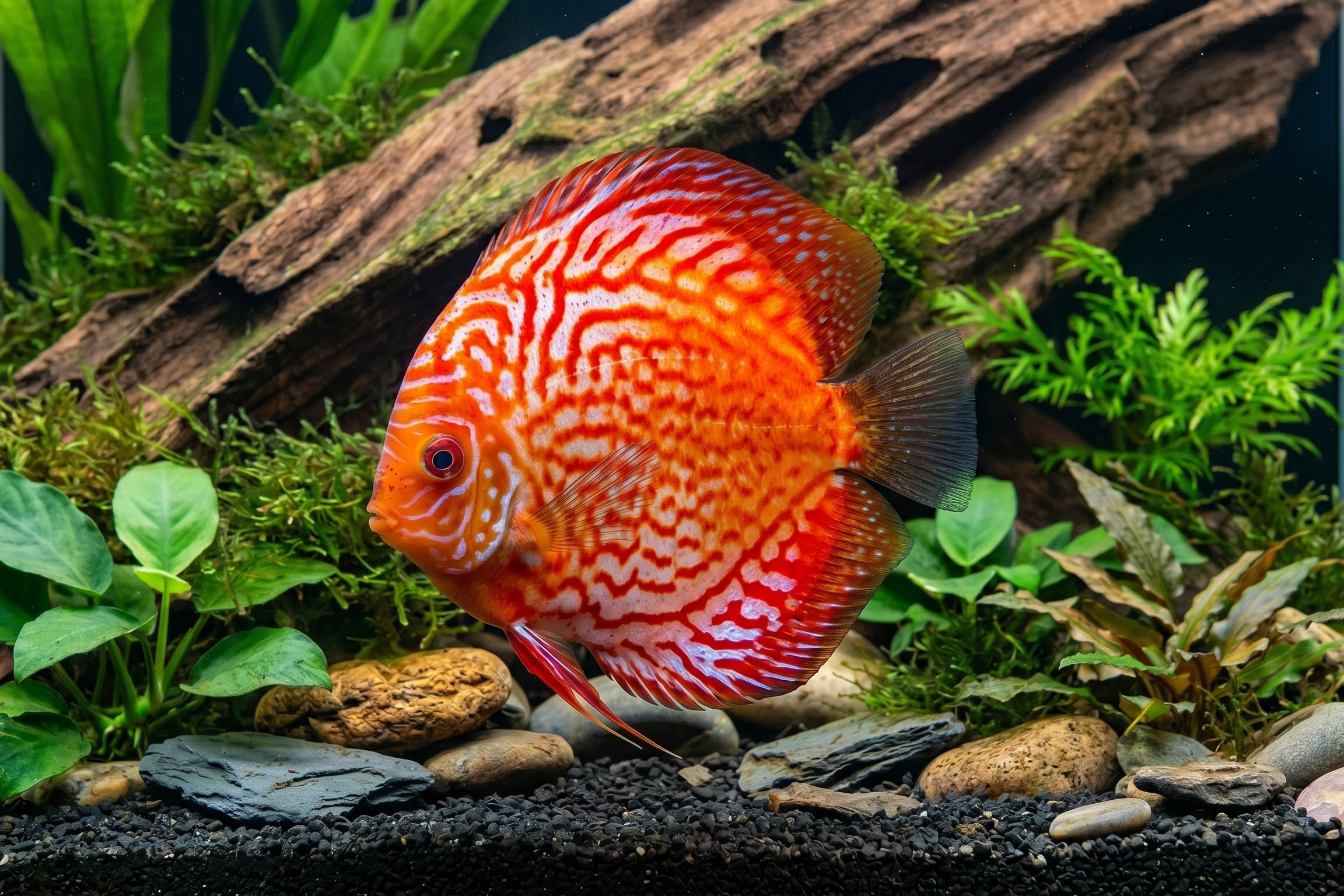
Freshwater Fish
Studies indicate molecular hydrogen helps fish recover from minor physical stress. Our hardware provides a tool to investigate whether this baseline support can ease transitions and improve overall resilience during common aquarium adjustments.
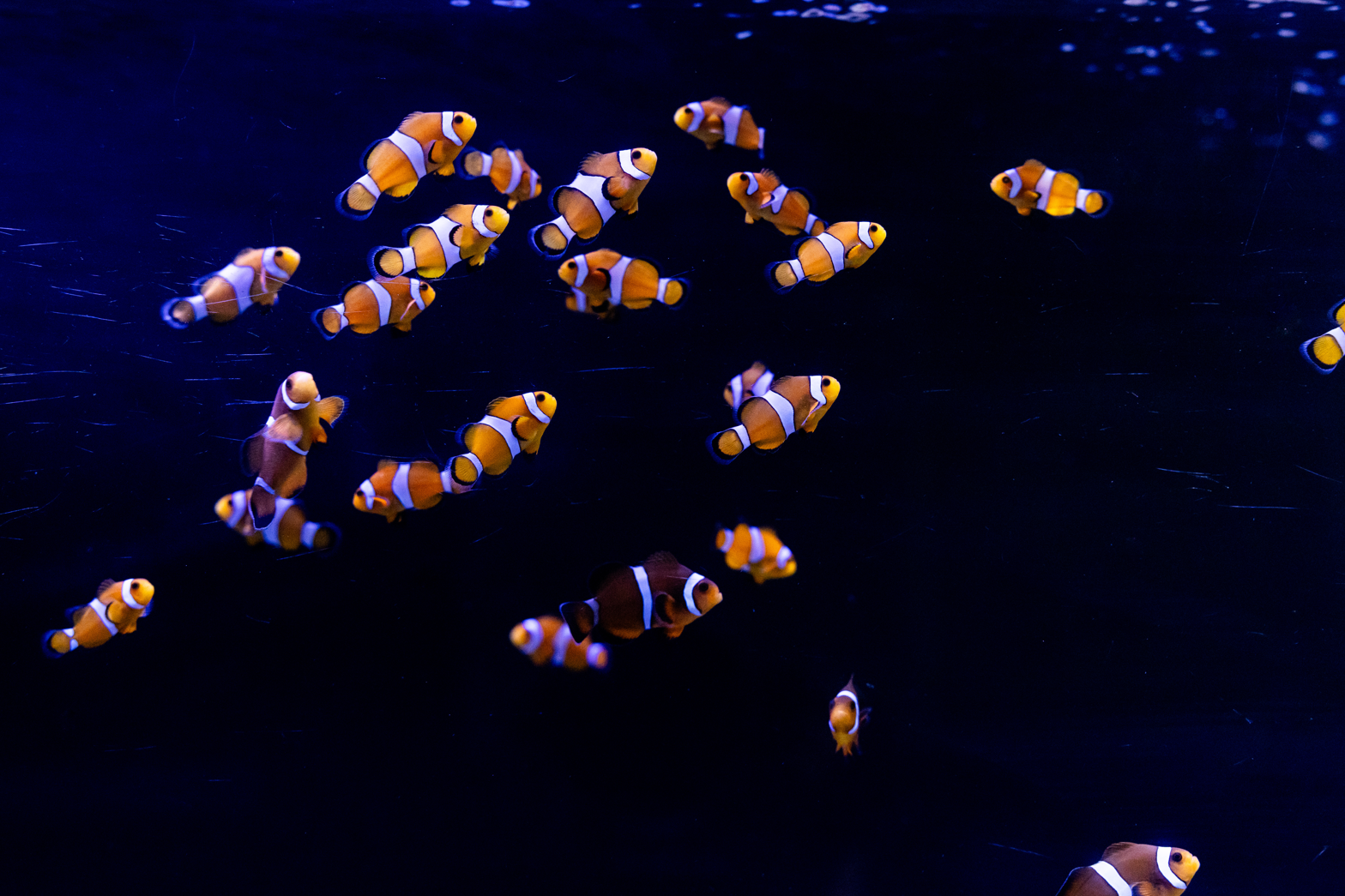
Retail Holding Systems
Aquaculture research shows that molecular hydrogen supports fish resilience and reduces stress impacts. This platform allows commercial operators to evaluate these potential stress-reduction benefits within higher-density holding and display environments.
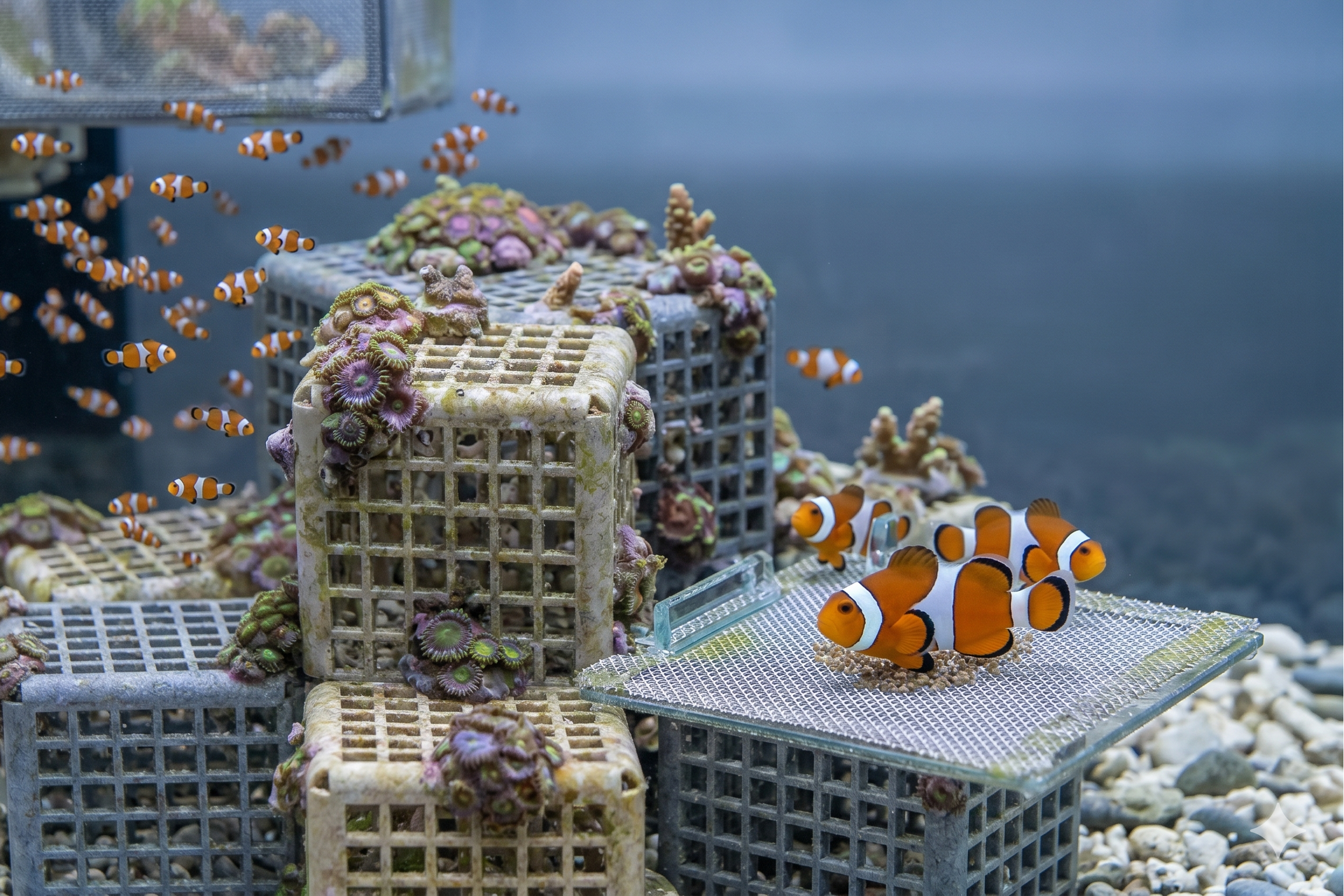
Commercial Propagation
Aquaculture research indicates that molecular hydrogen improves survival rates during specific bacterial challenges. The Copexa platform allows facilities to explore these findings to see if they translate to better growth and survival performance under intensive conditions.
ADVANCED AQUATIC APPLICATIONS
Event-Based Support Strategies
Copexa systems can also be configured for short-term, targeted hydrogen delivery during periods of elevated stress, such as quarantine, transport, or system disruptions.
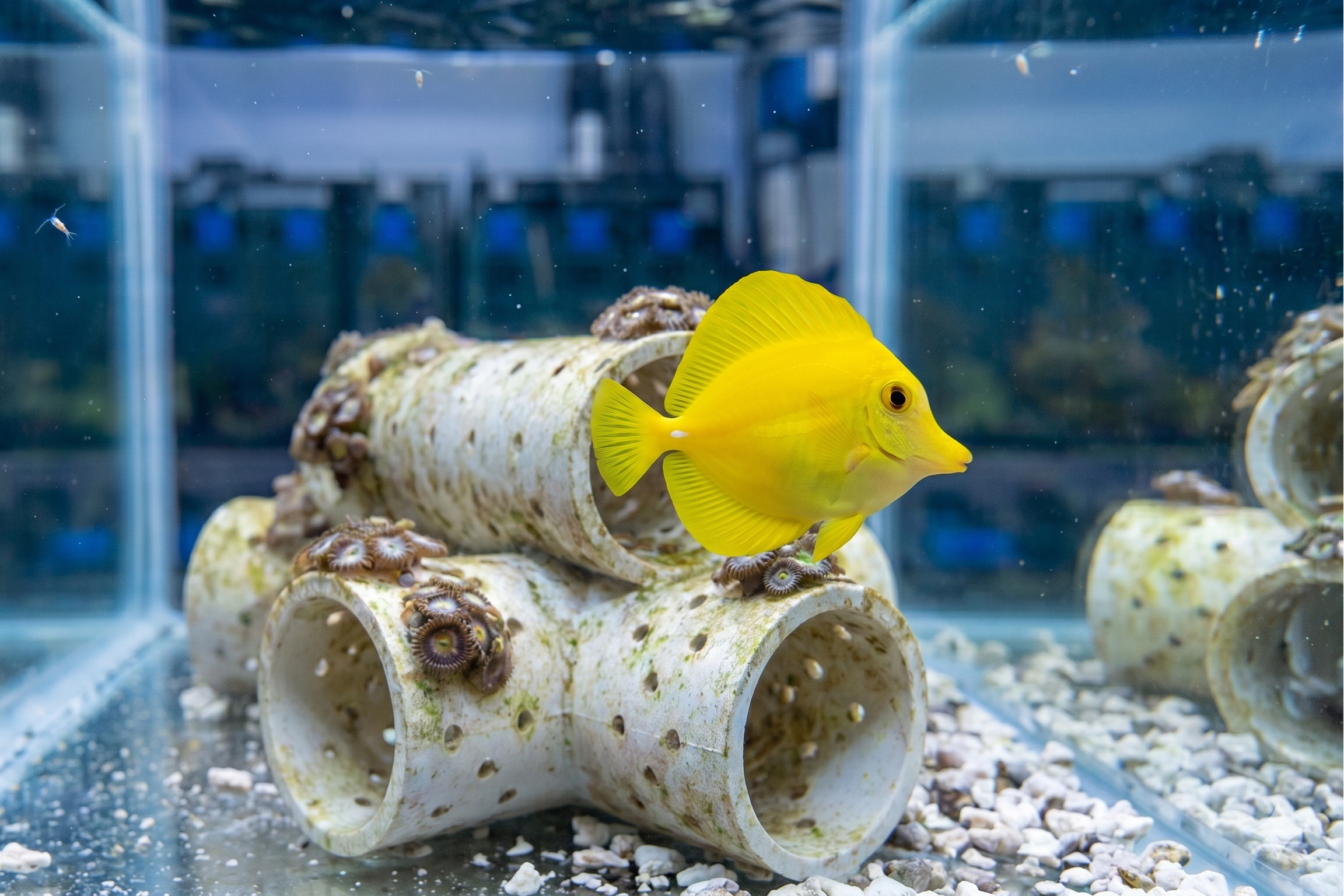
Quarantine
Research shows hydrogen exposure reduces mortality in fish during specific pathogen challenges. Molecular hydrogen offers a supportive option for hobbyists and operators looking to benefit from its potential during active quarantine periods alongside standard protocols.
Transit Acclimation
Shipping and handling create acute oxidative stress in fish. Molecular hydrogen's selective antioxidant properties can help support recovery during the critical acclimation window immediately after arrival.
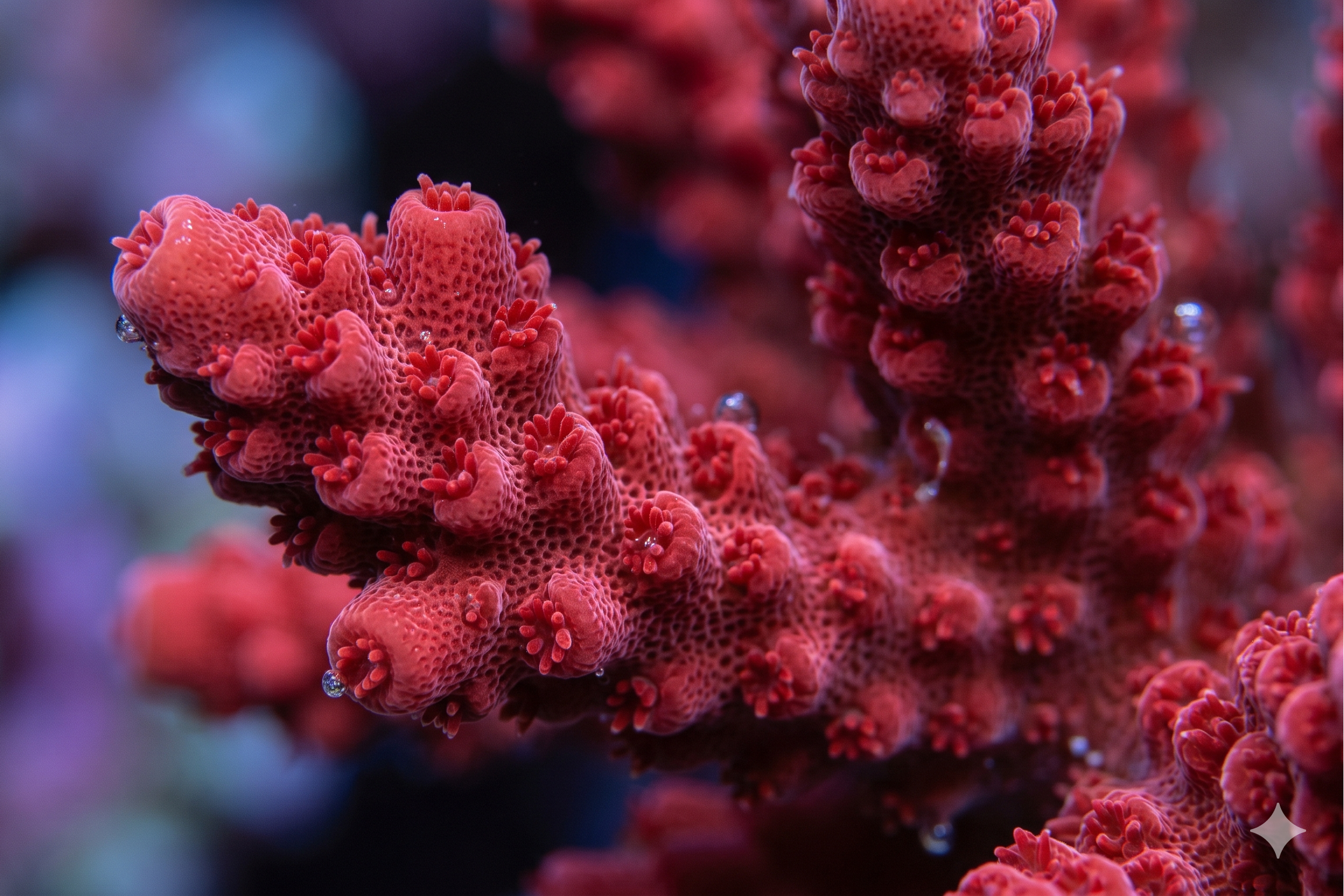
Coral Rescue & Recovery
Targeted hydrogen exposure during acute thermal stress has been observed to help mitigate bleaching symptoms. Molecular hydrogen usage gives reefkeepers a controlled method to explore potential recovery support in certain hard coral species.

Acute Bioload Events
During temporary spikes in ammonia following system disruptions, preliminary research suggests molecular hydrogen supports microbial-mediated ammonia reduction. This platform allows operators to evaluate this mechanism as a potential buffer while primary biological filtration stabilizes.
informed by emerging research
Science, Applications & Operational Guidelines
The application of dissolved molecular hydrogen to closed aquatic environments is a rapidly evolving field. Explore our underlying science, review our current frameworks, and utilize our suggested protocols to guide your own systematic exploration.