

AUTOMATED HYDROGEN SYSTEMS
Who Is Copexa?
Copexa develops programmable molecular hydrogen delivery systems for aquarium environments. Our systems are designed to give aquarists and commercial operators control over the introduction of dissolved hydrogen in both display aquariums and support systems such as quarantine and propagation setups.
While direct research in ornamental aquatic species remains limited, molecular hydrogen has been studied extensively in other biological systems for its selective antioxidant properties. These studies provide a foundation for exploring its potential applications in aquariums.
Copexa offers a practical tool for those interested in investigating these possibilities in their own systems, with programmable delivery and safety features appropriate for aquarium use.

ADVANCED AQUATIC SUPPORT
Moving Beyond Basic Water Chemistry
Modern aquatic systems are generally effective at managing standard water parameters such as temperature, salinity, pH, and nutrient levels. However, biological stress — including oxidative damage, recovery from handling and transport, and responses to environmental fluctuations — remains more difficult to measure and address.
Emerging research in marine biology, aquaculture, and plant physiology has drawn attention to the potential role of selective redox activity in supporting cellular function under stress. While direct studies in ornamental aquatic species are still limited, these findings have generated interest in exploring molecular hydrogen as a tool for further investigation.
The Copexa platform provides a programmable delivery system that allows users to test these concepts in their own setups under controlled conditions.
INFORMED BY EMERGING RESEARCH
The Mechanism
Current studies are examining how dissolved molecular hydrogen interacts with biological stress pathways in aquatic organisms, including coral under thermal stress, fish during metabolic recovery, and aquatic plants.
SELECTIVE REDOX ACTIVITY
Unlike ozone or peroxide, molecular hydrogen selectively neutralizes hydroxyl radicals — a particularly reactive and damaging type of free radical — without affecting overall water chemistry. This selective action is well-documented in mammalian research and is now being studied in aquatic organisms.
FLEXIBLE OPERATION FOR MODERN AQUARIUMS
COPEXA CORE FEATURES
Copexa systems are designed to deliver molecular hydrogen in a controlled and flexible way across a wide range of aquarium setups — from small display tanks to larger multi-tank systems.
INTEGRATED Diffusion
Engineered to introduce molecular hydrogen into the water column consistently, without interfering with your existing filtration and circulation.
Automated Scheduling
Works seamlessly with external timers and third-party aquarium controllers, allowing you to automate delivery based on your preferred schedule.
Flexible Scaling
Adjust flow and output settings to suit your system, whether you're running a small display tank or managing multiple tanks.
Pulse or Continuous Operation
Choose between short automated pulses or longer continuous runtime cycles, depending on your goals and system needs.

ADVANCED AQUATIC APPLICATIONS
Built for Targeted Exploration
Because dissolved hydrogen behavior can vary depending on your system’s water volume, livestock, and goals, Copexa systems support flexible approaches to dosing — whether you prefer consistent daily delivery or targeted support during specific events or stress periods.
Daily Dosing Strategies
For aquarists interested in exploring the effects of consistent, low-level hydrogen exposure as part of routine system maintenance.
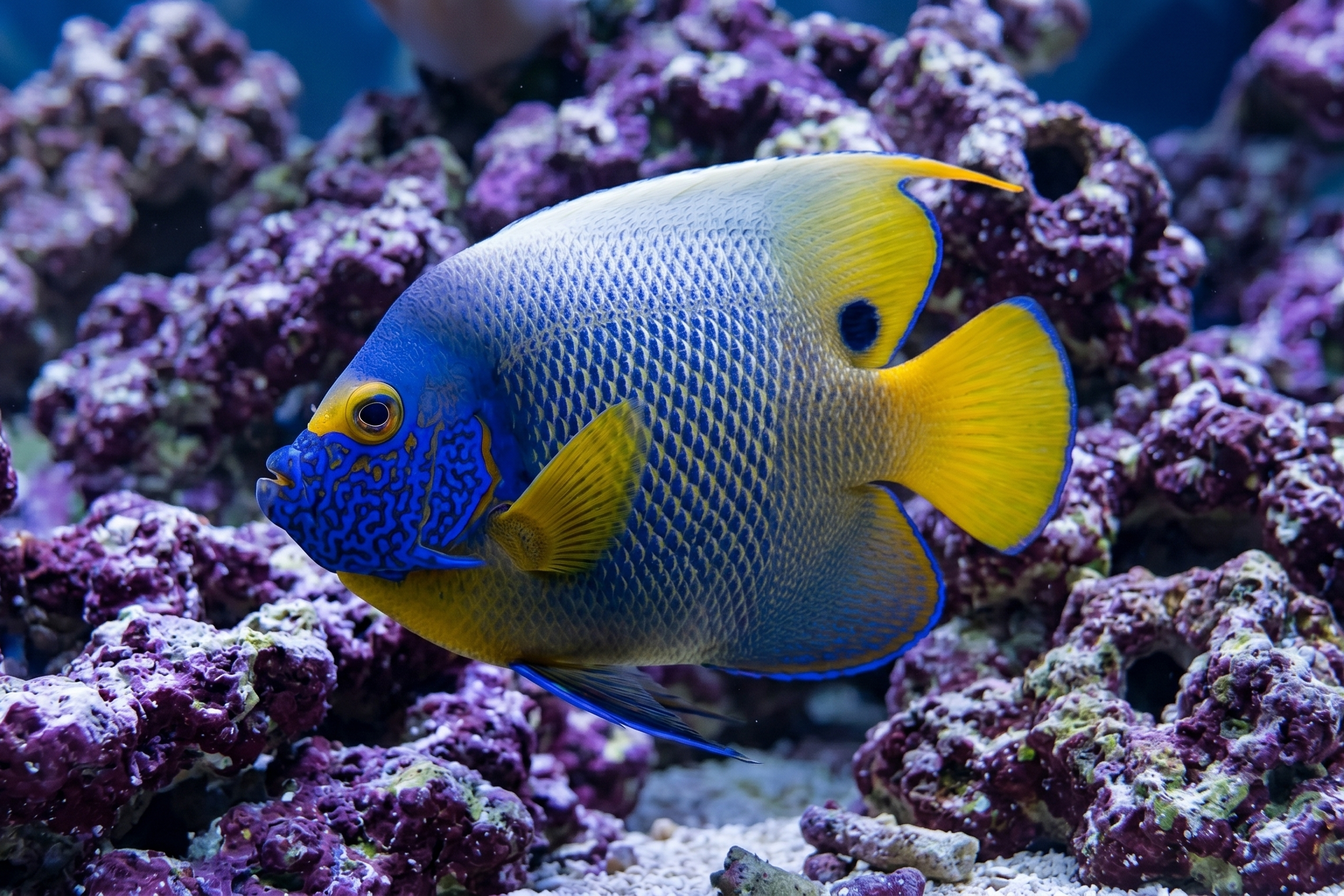
Marine Fish (FOWLR)
Published studies have observed increased antioxidant enzyme activity in certain marine fish at specific hydrogen concentrations. This protocol uses those findings as a practical starting point for hobbyists interested in supporting baseline resilience in marine systems.
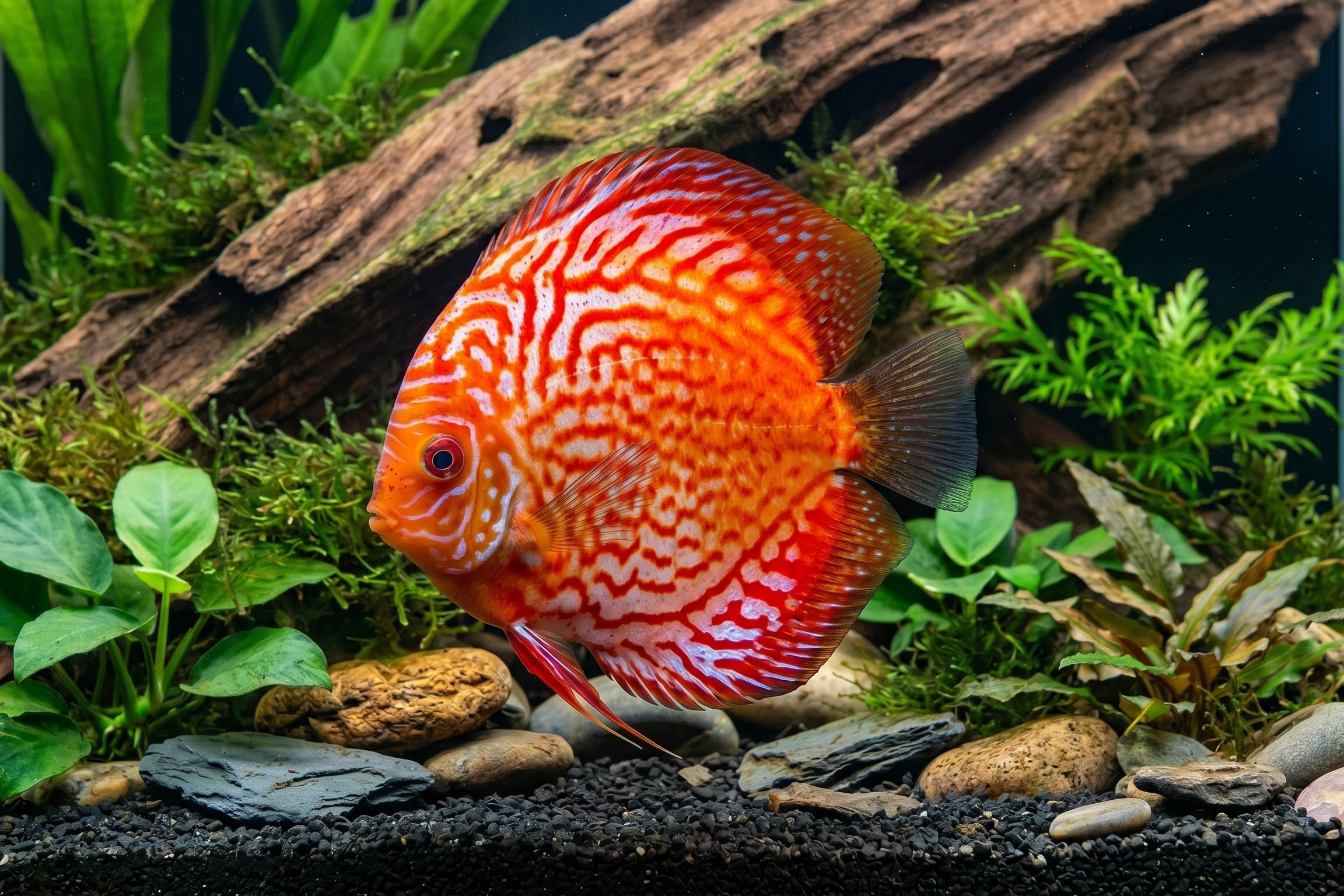
Freshwater Fish
Research into molecular hydrogen’s general antioxidant mechanisms suggests it may help support recovery from minor physical stress. This approach is intended for freshwater aquarists looking to explore gentle, ongoing support during common stress factors such as minor injuries or social tension.

Planted Aquascapes
Botanical research indicates that molecular hydrogen can influence photosynthetic stability and root development pathways. This protocol is designed for aquarists interested in supporting plant health and root anchoring in high-light, high-energy aquascapes.
Event-Based Support Strategies
Designed for targeted use during periods of elevated stress, such as temperature spikes or quarantine and acclimation periods.
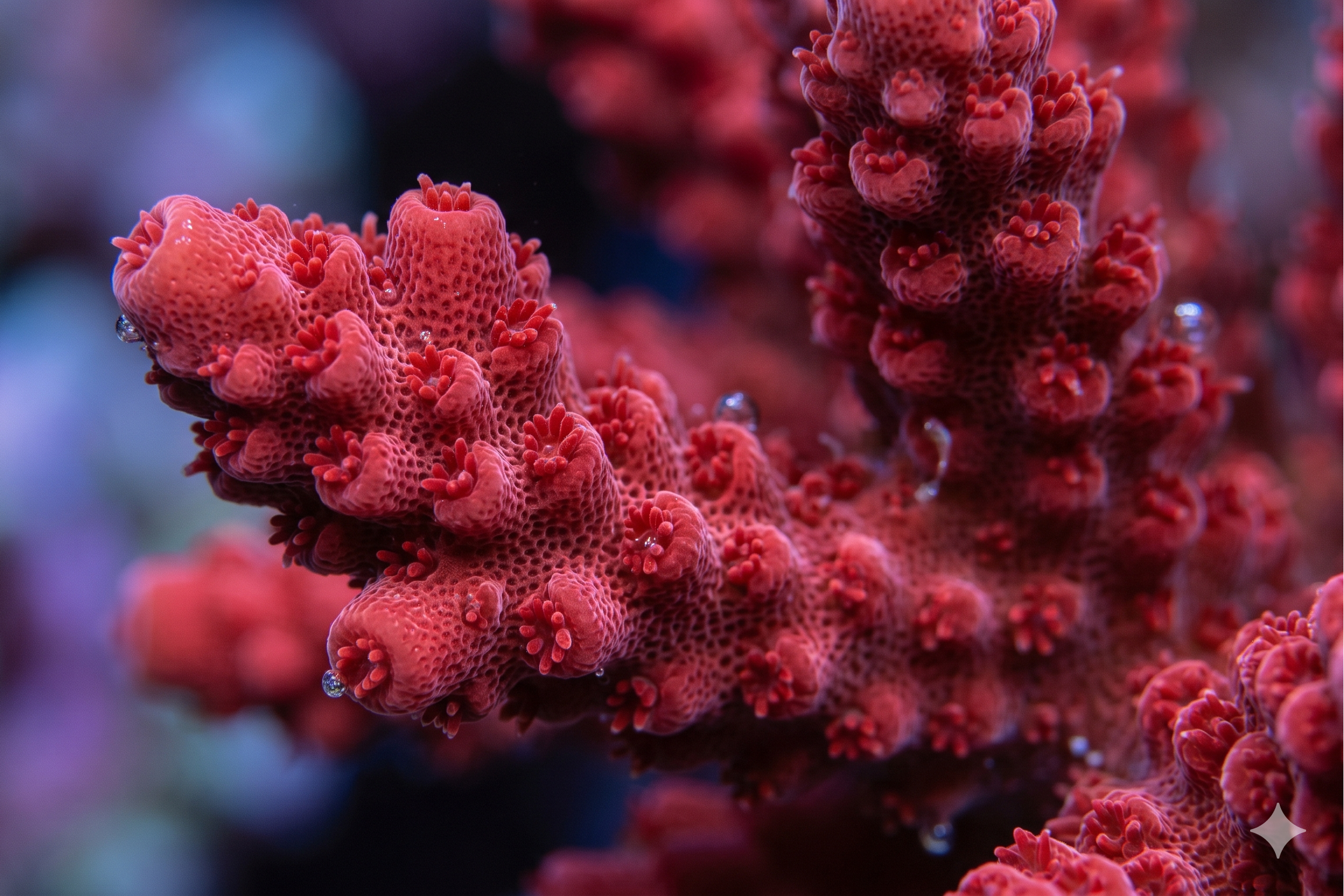
Marine Reef & SPS Systems
Research has shown that hydrogen pre-treatment can reduce visible bleaching symptoms in certain coral species during acute thermal stress. Because continuous baseline exposure may suppress normal coral physiology, this protocol is intended strictly for short-term emergency use during verified temperature crises.
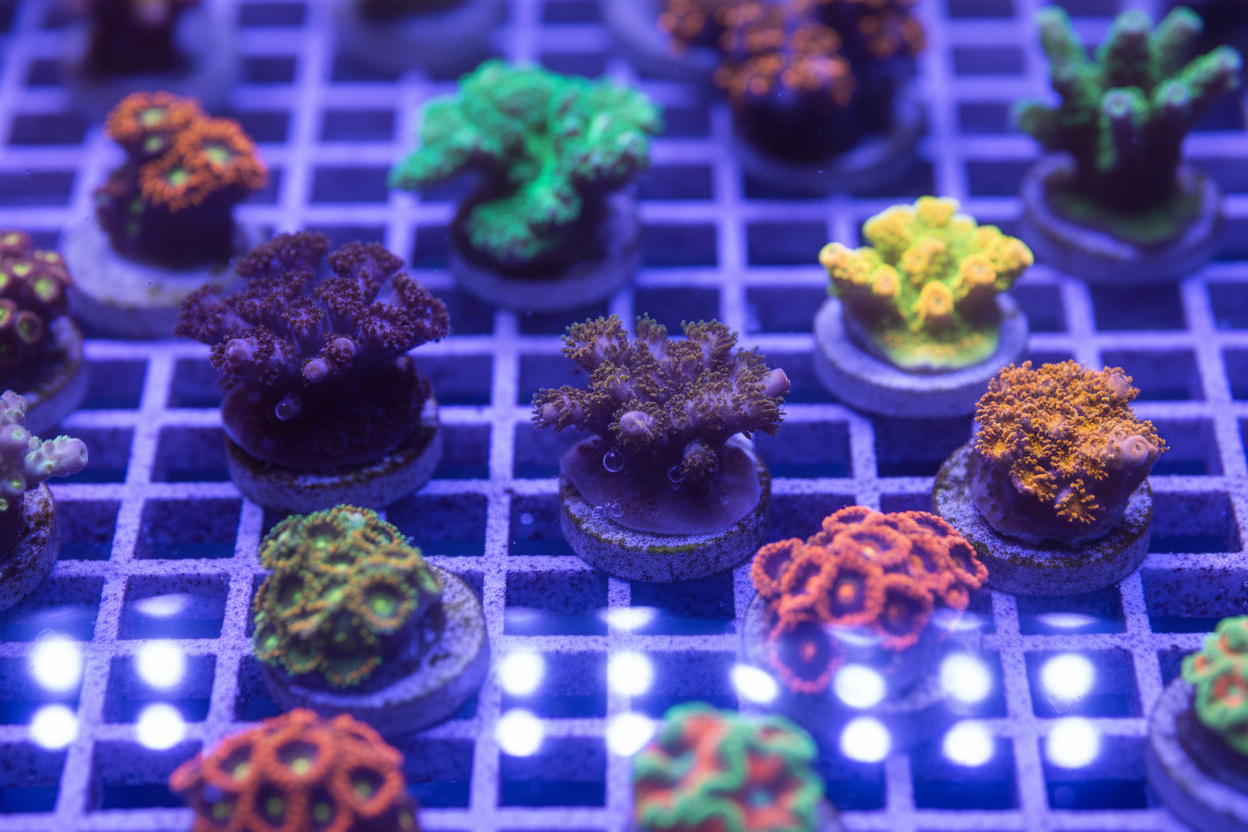
Coral Rescue & Recovery
The same selective antioxidant mechanism observed during thermal stress events provides a logical basis for supporting damaged or recently fragmented corals. This approach is intended for targeted rescue or recovery situations, such as stressed frags or colonies showing signs of decline.
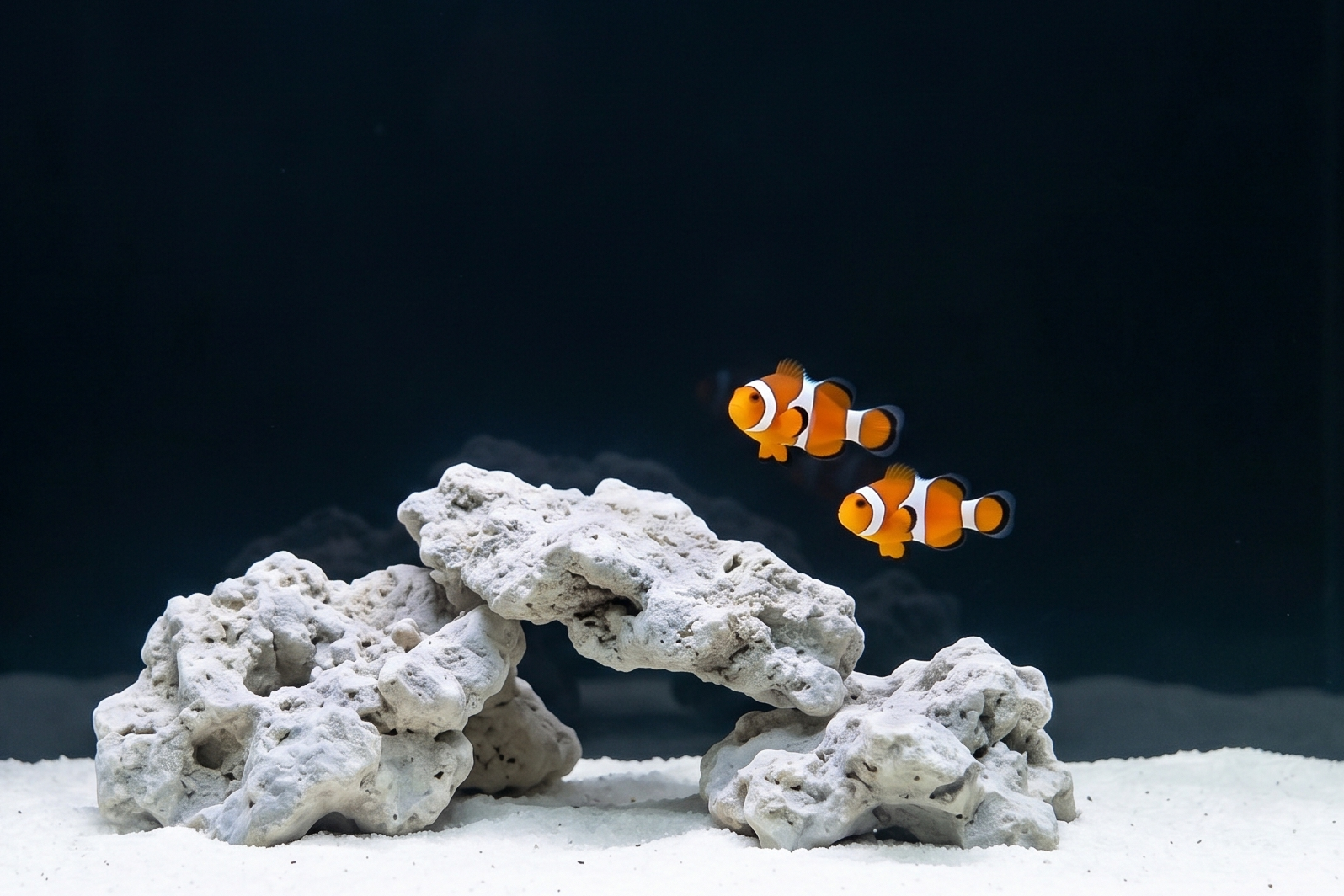
Transit Acclimation
Shipping is known to cause significant acute oxidative stress in fish due to handling, exhaustion, and temporary declines in water quality. Molecular hydrogen’s selective antioxidant properties offer a mechanism-based option for supporting fish during the critical acclimation window after arrival.
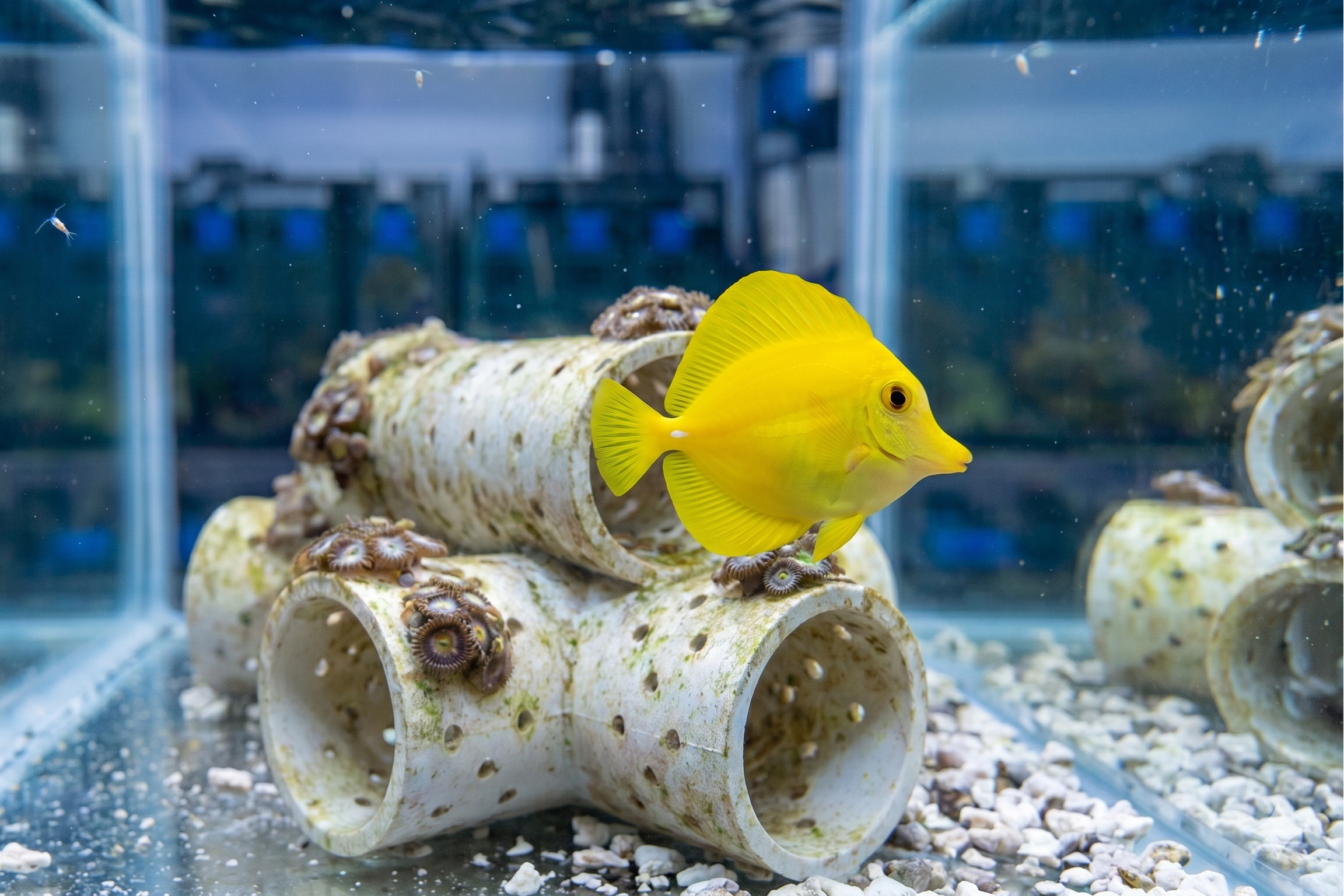
Isolated Quarantine
Controlled studies have linked hydrogen exposure to reduced mortality in fish facing specific pathogen challenges, likely through modulation of the inflammatory response. This protocol provides a supportive option during active quarantine periods, though it is not a replacement for proper medications or good care practices.
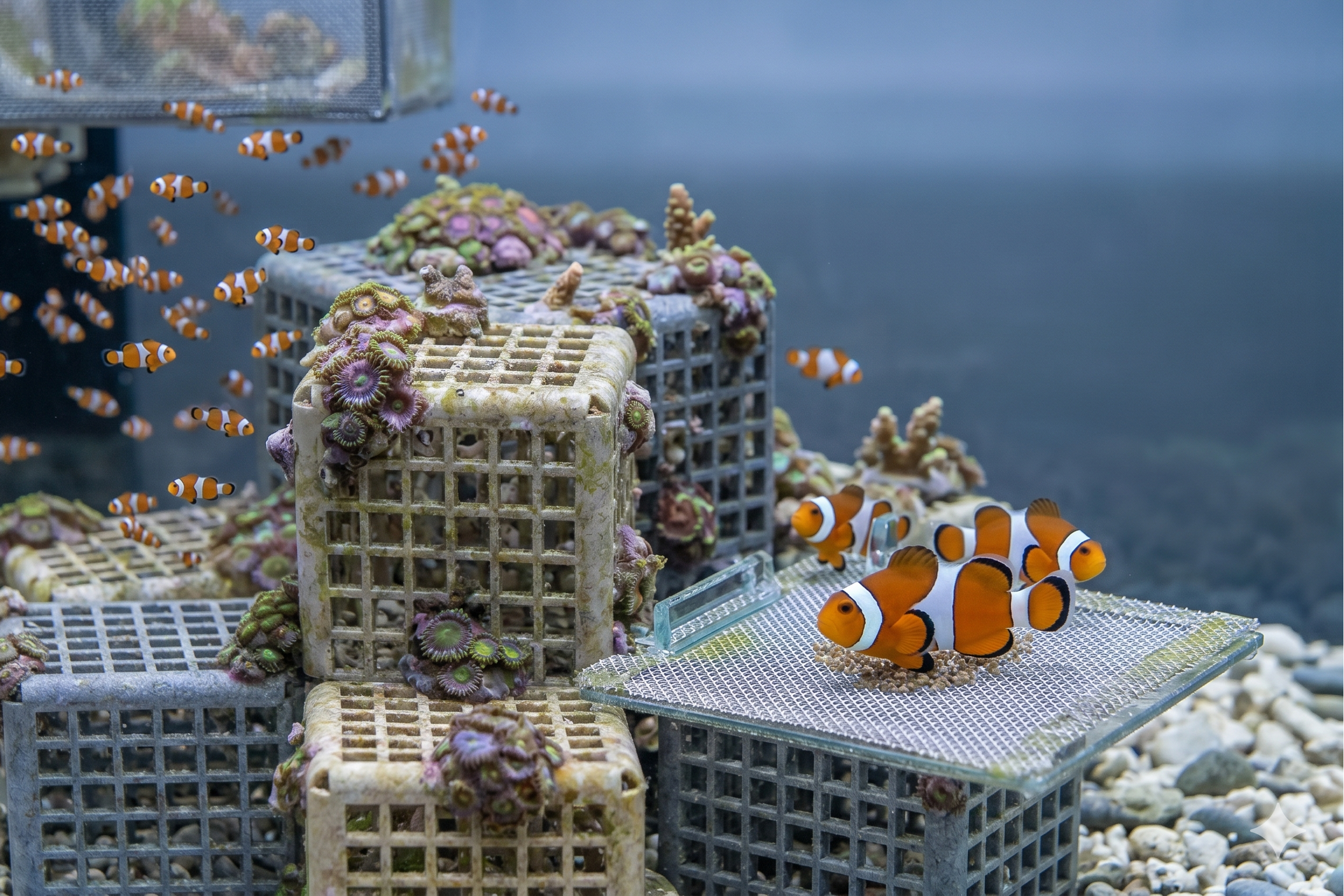
Commercial Propagation
Aquaculture research has shown improved survival rates in certain fish species during bacterial challenges when using hydrogen-rich water. This data comes from controlled laboratory studies and may be worth exploring for commercial operators during high-stress propagation windows.
informed by emerging research
Explore the Science, Applications & Protocols
Explore The Science Applications & ProtocolsLIMITED EARLY ACCESS
Copexa systems are currently rolling out in limited batches to advanced hobbyists, breeders, and researchers interested in exploring molecular hydrogen in aquarium environments.
Submit your information below to receive platform updates, deployment guidance, and early access information as new configurations become available.